

Taking a Proactive Approach to Post-Launch Patient Accessibility in Strategic Planning
For the patient, a clinical trial is a kind of rarefied atmosphere. Sponsors and sites make exceptional efforts to smooth the participant’s path, minimize disruption to their lives, assist with travel and accommodation expenses, communicate clearly and set expectations. After all, sponsors have a great deal invested in patient participation and retention in their studies.
But what happens after the drug is approved and prescribed for patient treatment? What measures do sponsors, payers, and healthcare providers take to anticipate patient challenges? Who is responsible for ensuring patients’ accessibility to therapies?
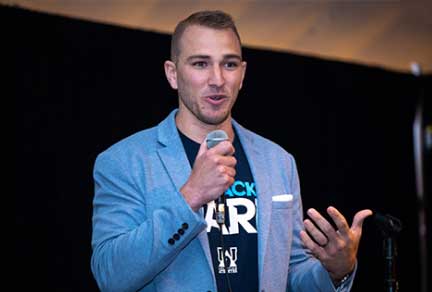
These questions were foremost during a roundtable I hosted at the recent 2022 World Orphan Drug Conference. Participants spanned a broad range of perspectives: individual patients, caregivers, patient advocates, pharma/biotech companies, service providers, and clinical research students.
The issues we explored reflected this spectrum of viewpoints. For example:
-
If digital technologies are part of the trial, will they also be provided in broader administration? Will the relevant tools and resources be available to patients and medical providers – and will education be provided to ensure proper use?
-
Are patients and medical providers aware of potential side effects and possible adverse events? Are they operationally prepared to deal with them?
-
For rare diseases and cell and gene therapies, in particular, insurers will typically cover the cost of the treatment, but not necessarily the ancillary expenses that are often involved, such as travel to a site. Who is responsible for that?
-
Will the patient experience significant disruption in receiving treatment – absence from family, childcare, or employment, for instance? Will the patient require assistance from a caregiver?
-
If a sponsor were to provide “wraparound” services for patients when insurance does not cover them, how would those costs be absorbed?
The clear conclusion of our group is this: The end goal is not product approval, but ensuring that patients are able to access the product itself. Developing the post-launch commercialization plan should include all stakeholder voices to optimize patient accessibility, and these perspectives should inform decision-making in the early stages of product development. For instance, during patient recruitment, judgments about the product’s suitability should encompass not just the resources patients will need during the trial, but afterward in their everyday lives. Sponsors should be thinking ahead beyond clinical trials, regulatory approval, launch, and commercialization to the realities of the patient experience with the treatment and their quality of life. Further, the commercialization phase must comprise a solid communications strategy to ensure that patients, medical providers, and caregivers are educated in all key aspects of the treatment, including how to mitigate accessibility issues.
Understandably, there is an inherent disconnect between the goals of the clinical trial – to deliver urgently needed treatments to patients as quickly as possible – and adoption after the product is commercialized. Building a clear plan for the patient’s accessibility to therapy and supporting their quality of life into the strategy from the beginning of the drug development lifecycle is not only good business; it’s the right thing to do.
How Parexel Can Help
At Parexel, we leverage insights from our partnerships with patients, patient advocacy groups, and medical providers to develop a targeted communications strategy that aims to engage all stakeholders at each step of your journey.
Our services are fully integrated with Parexel’s clinical development capabilities, providing a seamless connection between the patient’s voice and clinical trial operations. Our Patient Engagement Specialists regularly collaborate with patients and caregivers through Parexel’s Patient Advisory Council. With their insight, we understand how to create educational materials that are accessible and inclusive for diverse patient populations and medical providers to truly meet their needs, during the trial, at trial close-out, and beyond.
For more information, please reach out to Parexel’s Medical and Patient Communications Team
Related Insights
Blog
Greater empathy, greater efficiency: How patient-first clinical development benefits all of us
Sep 10, 2026
Blog
Hope Interrupted: Why Even Short Gaps in Rare Disease Treatment Matter More Than We Think
Jun 23, 2026
Blog
Do we still need broad patient representation in breast cancer trials? Absolutely.
Oct 17, 2025
Webinar
Unlocking Success in Obesity Clinical Trials: Mastering Patient Engagement and Retention
May 15, 2025
Whitepaper
Early and often: reimagining patient community engagement to improve clinical trials feasibility
Feb 27, 2025
Webinar
Incorporating the Patient Voice: How Patient Insights Drive Trial Design and Outcome Measures in Schizophrenia Research
Oct 30, 2024
Blog
Patient-guided oncology trials: Why the patient perspective is essential to success
Jun 4, 2024
Blog
Adapting the validation process for PROs for rare diseases and other diseases with large unmet need and/or rapid progression
Apr 23, 2024
Blog
Improving and accelerating clinical research in dementia by integrating the patient’s voice throughout the development journey
Jan 24, 2024
Blog
Building a program for patient-guided clinical research for Alzheimer’s disease
Jan 24, 2024
Report
New Medicines, Novel Insights: Achieving patient-guided drug development
Oct 30, 2023
Blog
Three ways to engage with Patient Advocacy Groups to build trust in clinical trials
Oct 17, 2023
Related Insights
Blog
Greater empathy, greater efficiency: How patient-first clinical development benefits all of us
Sep 10, 2026
Blog
Hope Interrupted: Why Even Short Gaps in Rare Disease Treatment Matter More Than We Think
Jun 23, 2026
Blog
Do we still need broad patient representation in breast cancer trials? Absolutely.
Oct 17, 2025
Webinar
Unlocking Success in Obesity Clinical Trials: Mastering Patient Engagement and Retention
May 15, 2025
Whitepaper
Early and often: reimagining patient community engagement to improve clinical trials feasibility
Feb 27, 2025
Webinar
Incorporating the Patient Voice: How Patient Insights Drive Trial Design and Outcome Measures in Schizophrenia Research
Oct 30, 2024
Blog
Patient-guided oncology trials: Why the patient perspective is essential to success
Jun 4, 2024
Blog
Adapting the validation process for PROs for rare diseases and other diseases with large unmet need and/or rapid progression
Apr 23, 2024
Blog
Improving and accelerating clinical research in dementia by integrating the patient’s voice throughout the development journey
Jan 24, 2024
Blog
Building a program for patient-guided clinical research for Alzheimer’s disease
Jan 24, 2024
Report
New Medicines, Novel Insights: Achieving patient-guided drug development
Oct 30, 2023
Blog
Three ways to engage with Patient Advocacy Groups to build trust in clinical trials
Oct 17, 2023