
We put patients first, so patients choose you
Patients with rare and genetic diseases have incredibly unique needs. Many CROs don’t take the time to listen and shape their trials around those needs, but we do. Through our specialty areas for rare and genetic diseases, we design trials With Heart™, using our cross-functional expertise to incorporate feedback from patients and caregivers, minimize burden, and exceed expectations — so patients choose and stick with your program, from start to finish.
Deep expertise in the rare and ultra rare
Parexel is the rare disease CRO of choice for many conditions like Duchenne muscular dystrophy (DMD), for which we run most of the world’s current gene and nucleic acid therapy trials.
We have established capabilities targeting ultra-rare diseases having supported n=1 and n of few programs as well as breaking ground in newly defined diseases such as VEXAS syndrome.
Beyond traditional rare diseases, we have profound expertise in precision medicine, including precision oncology as therapeutics target increasingly specific and complex cancer sub-types creating new rare disease populations.
Together with our global regulatory prowess supported by a deep bench of former regulators, cross-functional experts, and patient insights, we’re able to optimize your development program and expedite your trials from regulatory interactions to operational implementation and commercialization as your trusted partner . Together, we will accelerate much needed treatments to our rare patients.
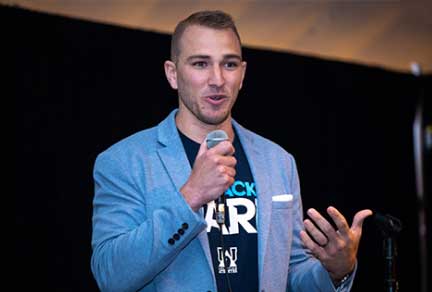
As the Global Head of Rare Disease, I oversee everything from the pre-award phase, working with our sales teams to come up with the best strategies for our clients to be able to best build out their programs, add in the knowledge and expertise that we've got in-house to complement what they need, particularly working with the biotech companies.
They often have some incredible experts but just need that extra support to get to the clinical development plan that's going to get through regulatory. The idea of the Center of Excellence was to bring our global expertise together into a functional unit. And on speaking to these experts, they have some incredible insights into the pitfalls, the challenges around how to get the data to a level of integrity where you can get it through the regulatory rigor and the challenges actually that we face in rare diseases.
From a drug developer perspective, the regulators face, so the same challenges. So, it was really interesting to have those insights into, you know, how they look at those same challenges and how we can overcome them. Because clinical development in rare disease is so condensed.
You quite often have one or two clinical trials, so you have to get it right first time. As we learn more and more and more about these rare diseases, the regulators are asking for more and more strict trial designs, and that's becoming a real challenge.
And then the second piece is the high cost, the high price of rare disease products. So again, to date, because rare diseases have been a huge unmet medical need.
The price of these therapeutics, particularly gene therapies, has been astronomically high. But as more of these products reach the market, it's becoming unsustainable.
So again, a lot of the conversations we're having is how can we price these products at a reasonable rate and be able to get the benefit for both patients, the payers, and the clients?
Our experts in rare diseases
Rachel Smith
Therapeutic Area Lead, Rare and Genetic Diseases
Stacy Hurt, M.H.A., M.B.A.
Chief Patient Officer
Jessica Sheldon
Feasibility Strategy Associate Director
Mwango Kashoki, M.D., M.P.H.
Head, Regulatory Sciences
Amy Pace, ScD
Vice President, Biostatistics Consulting
Martin Roessner
Corporate Vice President, Biostatistics
Sinan Sarac, M.D., Ph.D., M.Sc.
Senior Vice President, Head of Regulatory Science - Oncology
Chris Learn, Ph.D., M.B.A., P.M.P.
Senior Vice President, Head, Cell and Gene Therapy and Early Phase
Angela Qu, M.D., Ph.D.
Senior Vice President, Translational Medicine, Global Head of Biomarkers & Genomic Medicine
Steve Winitsky, M.D.
Senior Vice President, Technical, Regulatory Consulting
Sangeeta Budhia, Ph.D.
Senior Vice President, Pricing & Market Access
Our experts in rare diseases
Rachel Smith
Therapeutic Area Lead, Rare and Genetic Diseases
Stacy Hurt, M.H.A., M.B.A.
Chief Patient Officer
Jessica Sheldon
Feasibility Strategy Associate Director
Mwango Kashoki, M.D., M.P.H.
Head, Regulatory Sciences
Amy Pace, ScD
Vice President, Biostatistics Consulting
Martin Roessner
Corporate Vice President, Biostatistics
Sinan Sarac, M.D., Ph.D., M.Sc.
Senior Vice President, Head of Regulatory Science - Oncology
Chris Learn, Ph.D., M.B.A., P.M.P.
Senior Vice President, Head, Cell and Gene Therapy and Early Phase
Angela Qu, M.D., Ph.D.
Senior Vice President, Translational Medicine, Global Head of Biomarkers & Genomic Medicine
Steve Winitsky, M.D.
Senior Vice President, Technical, Regulatory Consulting
Sangeeta Budhia, Ph.D.
Senior Vice President, Pricing & Market Access
Experience in the past 5 years with rare diseases
+
clinical projects
+
enrolled patients
+
sites
Advanced therapies
Eighty percent of rare diseases are known to have a genetic cause.1 That’s why we’ve built our capabilities as a rare disease CRO upon deep experience and expertise in the strategic application of genetics in drug discovery and development. Naturally, the rare disease space has been a sandbox of innovation, leading the charge in gene therapy modalities and gene editing. Each rare disease clinical trial for these therapies is meticulously strategized and operationalized to balance logistical complexities, scientific rigor and the needs of our patients and their care partners.
1. Global Genes - Rare Disease Facts
Regulatory expertise
Our team of 1,300+ global regulatory experts has experience with authorities around the world. That allows us to navigate complex and evolving rare disease requirements across regions, while meeting your patients’ needs. With more than 50 ex-regulators on our team, we’re also able to optimize your regulatory pathway so you can navigate the rapidly changing and increasingly complex global regulatory landscape to avoid any surprises at the time of clinical trial application of regulatory filing.
Precision medicine
Clinical trials for precision medicines pose unfamiliar challenges, like qualifying patients for inclusion due to a specialized biomarker or because genetic testing is required. Our team is ready. We have an expansive bench of experts with direct pharmaceutical and biotech experience (including early-stage biomarker strategy development, genomics and panel selection), complemented with central genetics reading and genetic counselling capabilities through our partners, as well as a multidisciplinary approach to genomic real-world evidence strategy.
Real world evidence
In rare disease, real-world data is essential from understanding the natural history to chart reviews to post-approval registries. Our real-world evidence team aims to answer previously intractable research questions with a team of scientists, data stewards, solution architects, and informaticists using a quality and process overlay that empowers clinical research with real-world data. This team supports your research by exploring relevant methodologies, such as study feasibility, external control arms, endpoint identification and validation, sensors/wearables, and machine learning.
Advantages
Empathy that minimizes patient burden
We feel the imperative in rare disease settings to minimize the number of patients unable to gain access to potentially life-saving treatments.
Every step of the way, we also anticipate and listen to the needs of patients to minimize burden, improve retention and create a compassionate clinical trial experience. This includes ensuring the accessibility of trial documents (such as text to speech or multi-media capabilities), providing concierge services to pre-book amenities and support, having trained staff ready to address the disease-specific challenges patients face day-to-day, and more.
Expertise for even the most complex programs
Given the shorter development pathway in rare disease, it is critical to ensure your program incorporates evidence requirements for HTA, as well as regulators. The way we integrate clinical, regulatory and access consulting as a rare disease CRO gives us an advantage when tackling highly complex trials. We also combine an early advisory service of medical, regulatory, market access, genomics, and biostatistical experts with an experienced multidisciplinary team and key technology partnerships to meet and exceed your goals.
Experience and operational efficiency
We bring extensive rare disease experience to projects enabling us to apply previous insights throughout delivery and improve operational efficiency.
All our functions are enhanced even further by our Parexel Academy Rare Disease certification program, which is available to you as well.
Highlights
FREQUENTLY ASKED QUESTIONS
Prevalence of a disease determines if it is considered rare. The FDA defines rare disease as one that fewer than 200,000 in the U.S. live with. Different organizations around the world define rare disease slightly differently.
Selecting the right endpoints to establish clinical benefit is one of the most challenging aspects of rare disease drug development.
With rare diseases, often little is known about the condition’s natural course, and the experimental agent’s mechanism of action may not be fully illuminated. Additionally, patients are often difficult to locate, making it hard to power a study adequately enough to measure treatment effects.
Many companies wish pursue FDA Breakthrough Therapy Designation for drugs targeting rare disease. BTD has become a core component of the regulatory strategy for these drugs.
Choosing the appropriate strategy and timing for a BTD request is a crucial challenge for companies. To maximize the program’s advantages, a company should submit a BTD request as soon as possible, ideally before Phase 3 trials begin. When feasible, although uncommon, companies can seek BTD even based on Phase 1 findings. For example, at Parexel, our rare disease experts have helped clients design early phase clinical trials, such as dose-finding studies that include preliminary efficacy assessments to support BTD.
Our rare disease experts can help you navigate the complex regulatory landscape for rare disease drug development, as well as advise on all phases of clinical trials – including selecting optimal endpoints, engaging with patients, and utilizing innovation trial designs. Market access is another key area where our experts can provide guidance, including reimbursement challenges that may emerge.
Our partners in rare diseases



Related insights
Blog
Japan: the new strategic launchpad for accelerating global rare disease development
Jul 23, 2026
Blog
A Deep Dive into the Genetic Therapies Bootcamp at the ACMG 2026 Annual Meeting
Jun 23, 2026
Blog
Hope Interrupted: Why Even Short Gaps in Rare Disease Treatment Matter More Than We Think
Jun 23, 2026
Blog
Faster access for rare disease patients starts with smarter alignment
Jun 22, 2026
CTB Blog
Shaping a competitive, patient-centered future for Europe: Insights from the EURORDIS Round Table of Companies
Mar 5, 2026
Audiogram
New FDA regulatory initiatives improving rare disease drug development
Sep 23, 2025
Blog
Advancing rare disease research: Exploring opportunities for Bayesian methods with FDA’s upcoming guidance
Jun 17, 2025
Whitepaper
How real-world data is powering rare disease research Part 2. RWD advances in Europe
Apr 18, 2025
Whitepaper
How real-world data is powering rare disease research Part 3. RWD advances in China
Apr 18, 2025
Whitepaper
How real-world data is powering rare disease research Part 1. RWD advances in North America
Apr 18, 2025
Blog
Understanding mental health challenges in rare disease
Mar 4, 2025
Whitepaper
Early and often: reimagining patient community engagement to improve clinical trials feasibility
Feb 27, 2025
Webinar
FDA Rare Disease Innovation Hub: Enhancing Collaboration and Speed?
Jan 7, 2025
Blog
Unpacking NICE’s review of the HST routing criteria: implications for manufacturers
Oct 3, 2024
Podcast
Enabling Successful Sites, Episode 3: Taking the complexity out of oncology clinical trials
Jun 28, 2024
Podcast
Enabling Successful Sites, Episode 2: Empowering Sites to be More Inclusive Through Cultural Sensitivity Training
Jun 28, 2024
Podcast
Rare endpoints: Delivering on unmet patient needs
May 7, 2024
Blog
Accelerating Delivery and Patient Access to Rare Disease Treatments – Highlights from World Orphan Drug Congress
May 2, 2024
Blog
Adapting the validation process for PROs for rare diseases and other diseases with large unmet need and/or rapid progression
Apr 23, 2024
Related insights
Blog
Japan: the new strategic launchpad for accelerating global rare disease development
Jul 23, 2026
Blog
A Deep Dive into the Genetic Therapies Bootcamp at the ACMG 2026 Annual Meeting
Jun 23, 2026
Blog
Hope Interrupted: Why Even Short Gaps in Rare Disease Treatment Matter More Than We Think
Jun 23, 2026
Blog
Faster access for rare disease patients starts with smarter alignment
Jun 22, 2026
CTB Blog
Shaping a competitive, patient-centered future for Europe: Insights from the EURORDIS Round Table of Companies
Mar 5, 2026
Audiogram
New FDA regulatory initiatives improving rare disease drug development
Sep 23, 2025
Blog
Advancing rare disease research: Exploring opportunities for Bayesian methods with FDA’s upcoming guidance
Jun 17, 2025
Whitepaper
How real-world data is powering rare disease research Part 2. RWD advances in Europe
Apr 18, 2025
Whitepaper
How real-world data is powering rare disease research Part 3. RWD advances in China
Apr 18, 2025
Whitepaper
How real-world data is powering rare disease research Part 1. RWD advances in North America
Apr 18, 2025
Blog
Understanding mental health challenges in rare disease
Mar 4, 2025
Whitepaper
Early and often: reimagining patient community engagement to improve clinical trials feasibility
Feb 27, 2025
Webinar
FDA Rare Disease Innovation Hub: Enhancing Collaboration and Speed?
Jan 7, 2025
Blog
Unpacking NICE’s review of the HST routing criteria: implications for manufacturers
Oct 3, 2024
Podcast
Enabling Successful Sites, Episode 3: Taking the complexity out of oncology clinical trials
Jun 28, 2024
Podcast
Enabling Successful Sites, Episode 2: Empowering Sites to be More Inclusive Through Cultural Sensitivity Training
Jun 28, 2024
Podcast
Rare endpoints: Delivering on unmet patient needs
May 7, 2024
Blog
Accelerating Delivery and Patient Access to Rare Disease Treatments – Highlights from World Orphan Drug Congress
May 2, 2024
Blog
Adapting the validation process for PROs for rare diseases and other diseases with large unmet need and/or rapid progression
Apr 23, 2024