- Solutions
- Main Menu
- Biotech
- Therapeutic Expertise
- Main Menu
- Insights
- Main Menu
- Participate
- Main Menu
- Sites
- About
- Main Menu
Solutions
Explore end-to-end solutions throughout development — from portfolio optimization and regulatory strategy, to Phase I-IV clinical trials, market access planning, and more.
Flexible, scalable solutions.
Our FSP solutions combine talent, expertise, technology, and global scale to help sponsors increase productivity, respond to changing pipeline demands, and bring therapies to patients faster.
Therapeutic Expertise
Utilize our expertise across therapeutic areas, combining innovative trial designs, leading clinical and regulatory expertise, global reach, and a passion for changing patient lives.
THERAPEUTIC EXPERTISE
CROSS-THERAPEUTIC EXPERTISE
RELATED INSIGHTS
Rethinking strategies for rescue treatment in wet AMD and retinal vascular disease clinical trials
Learn more
Insights
Our experts help you stay at the forefront of the industry — and ahead of change.
FEATURED INSIGHTS
PODCAST

Step into the world of biotech leaders and hear the untold stories behind their journeys to bring breakthrough innovations to life.
Cell & Gene Unscripted
Honest conversations with the experts shaping what's next
Participate
Thinking about joining a clinical trial? Learn the drug development process, what it’s like to participate, how to find a trial, and answers to frequently asked questions.
INTERESTED IN PARTICIPATING?
TRIAL SITES
HEAR FROM REAL PATIENTS
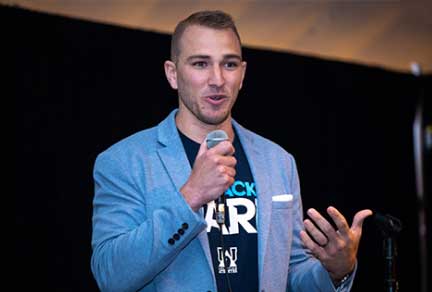
Clinical study participation represents a deeply personal decision with potentially far-reaching impact, as evidenced by these inspiring individual stories that highlight both the life-changing potential for participants and the broader advancement of healthcare for all.
About
We are one of the largest CROs in the world, speeding life-changing medicine to market by engaging patients With Heart™. Learn about who we are, what we do, and what we believe.
Solutions
Explore end-to-end solutions throughout development — from portfolio optimization and regulatory strategy, to Phase I-IV clinical trials, market access planning, and more.
Flexible, scalable solutions.
Our FSP solutions combine talent, expertise, technology, and global scale to help sponsors increase productivity, respond to changing pipeline demands, and bring therapies to patients faster.
Insights
Our experts help you stay at the forefront of the industry — and ahead of change.
FEATURED INSIGHTS
PODCAST
Step into the world of biotech leaders and hear the untold stories behind their journeys to bring breakthrough innovations to life.
Cell & Gene Unscripted
Honest conversations with the experts shaping what's next
Participate
Thinking about joining a clinical trial? Learn the drug development process, what it’s like to participate, how to find a trial, and answers to frequently asked questions.
INTERESTED IN PARTICIPATING?
TRIAL SITES
HEAR FROM REAL PATIENTS
Clinical study participation represents a deeply personal decision with potentially far-reaching impact, as evidenced by these inspiring individual stories that highlight both the life-changing potential for participants and the broader advancement of healthcare for all.