
At the turning point: Shaping the future of hematology
This article is part of Parexel's Hematology playbook series that is comprised of five chapters on the strategic decisions that separate hematology programs that launch from those that stall — from first-in-human design to post-approval evidence.
The patients are waiting
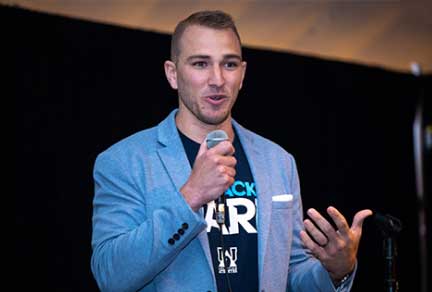
In a prior stage of my career, I practiced as a pediatric hematologist‑oncologist. My training at Children’s Hospital Colorado in hematology‑oncology and bone marrow transplantation gave me firsthand experience with the realities of patient care, from recognizing a child in sickle cell crisis to delivering the news that a patient’s leukemia is in remission. Those experiences also made clear how rarely such outcomes occur without the support of well‑designed clinical trials. That perspective informs the approach I bring to this playbook.
Hematology is moving faster than at any point in my career, and the pace is no longer driven by a single modality or a single agency. Multiple myeloma has become one of the most crowded arenas in oncology, with BCMA-directed CAR-Ts, bispecific T-cell engagers, and an emerging race around in vivo CAR-T. Acute myeloid leukemia (AML) has moved beyond the long-standing cytarabine-anthracycline plateau, driven by venetoclax combinations, FLT3 and IDH inhibitors, and the recent approval of a first-in-class menin inhibitor. CAR-T has become established in second-line large B-cell lymphoma, and chronic lymphocytic leukemia (CLL) has evolved into a BTK + BCL-2 inhibitor landscape with both covalent and non-covalent classes competing.
On the non-malignant side, the 2023 approvals of Casgevy and Lyfgenia for sickle cell disease delivered the first CRISPR-based therapies approved anywhere in the world, alongside Hemgenix and Roctavian for hemophilia. The science is breathtaking. The commercial uptake has been more measured than anyone forecast, which serves as a reminder that what regulators approve and what patients choose are not the same thing.
Regulatory expectations have shifted significantly. Project Optimus, codified as binding guidance in August 2024, fundamentally redefined the early-phase rulebook by requiring dose selection to be supported by randomized data rather than relying on the historical maximum tolerated dose (MTD) paradigm. In January 2026, the FDA advanced this evolution further by recognizing minimal residual disease (MRD) negativity as a primary endpoint for accelerated approval in multiple myeloma. At the same time, global regulators, including EMA, NMPA, and PMDA, are increasingly diverging from the FDA’s positions, creating new complexity precisely as multinational trials have become the default operating model.
China deserves particular attention. It is now the second-largest cell therapy pipeline in the world, with more than 38% of its 2021–2023 cell therapy trials focused on hematologic malignancies, predominantly targeting CD19 and BCMA.1 The dual-track regulatory framework introduced in 2017 has made investigator-initiated first-in-human work substantially faster and more cost-efficient than pursuing a traditional U.S. IND pathway. At the same time, APAC has emerged as a meaningful cost base for sponsors facing rising U.S. site costs. A hematology program that does not at least evaluate a China development pathway leaves strategic optionality and potential acceleration on the table.
This is the field this playbook is written for. Parexel works on behalf of sponsors seeking to bring new therapies to hematology patients — the small biotechs racing to first-in-human, the mid-cap teams positioning for a Phase 3 readout, and the global organizations balancing three regulators on the same molecule. We see the same questions across the 245+ hematology programs we’ve worked on in more than 70 countries over the last five years, and we see what separates those that reach patients from those that stall. Our intent is straightforward: to help sponsors compete in a fast-changing field and bring new products to the patients who need them.
The five chapters that follow are written by colleagues who spend their days working on these problems. The throughline is consistent. Programs that succeed make integrated decisions early, with trial designs that anticipate the regulator, build patient listening strategies that extend beyond the loudest advocates, practice regulatory diplomacy that treats the FDA, EMA, and NMPA as three audiences, not one, fine-tune operations for complex protocols, and embed real-world evidence into the development architecture from the outset rather than bolted on after approval.
The science is good. The places where programs stall are operational, regulatory, and patient-related, and they are almost always addressable. The patients I trained to care for are still waiting for what comes next.
Resources
Related Insights
Webinar
The evidence gap in hematology: From trial endpoints to patient outcomes
Oct 1, 2026
Article
Case Study: Turning urgency into progress—Advancing new hope in AML
Jun 4, 2026
Playbook
Real‑world evidence as a strategic architecture for precision hematology
May 29, 2026
Playbook
Hematology trials demand data-driven feasibility, expert site selection, and hyper-efficient start-up
May 29, 2026
Playbook
Navigating regulatory divides: Strategic diplomacy in rare hematology
May 29, 2026
Playbook
Five strategies to build a better non-malignant hematology drug by listening to patients
May 29, 2026
Playbook
How smarter trial design can derisk and accelerate your malignant hematology asset
May 29, 2026
Related Insights
Webinar
The evidence gap in hematology: From trial endpoints to patient outcomes
Oct 1, 2026
Article
Case Study: Turning urgency into progress—Advancing new hope in AML
Jun 4, 2026
Playbook
Real‑world evidence as a strategic architecture for precision hematology
May 29, 2026
Playbook
Hematology trials demand data-driven feasibility, expert site selection, and hyper-efficient start-up
May 29, 2026
Playbook
Navigating regulatory divides: Strategic diplomacy in rare hematology
May 29, 2026
Playbook
Five strategies to build a better non-malignant hematology drug by listening to patients
May 29, 2026