
Beyond traditional outsourcing: Building bespoke drug development partnerships for long-term value
The biopharma industry faces a paradox: pipelines are more diverse than ever, yet traditional outsourcing models remain rigid and transactional. As sponsors navigate complex therapeutic areas, expand into new geographies, and accelerate innovation timelines, the limitations of existing approaches are apparent.
The solution? Moving beyond traditional outsourcing constructs toward bespoke partnerships that evolve alongside sponsor needs.
Through hybrid, bespoke outsourcing models, full-service outsourcing (FSO) and functional service provider (FSP) elements are blended into an integrated, interoperable delivery framework. Rather than fitting all programs into a single construct, these models allow sponsors to optimize cost, timelines, and operational performance based on specific variables such as therapeutic areas, geography, technology requirements, and site relationships. The industry isn’t shifting decisively toward either extreme – rather toward flexible outsourcing strategies designed to address their distinct challenges and strategic objectives.
At the core of a successful outsourcing approach is deep collaboration between sponsor and CRO. This forms the foundation of a drug development partnership that moves beyond task execution to shared ownership of outcomes, enabling innovation while complementing in-house sponsor capabilities. By aligning governance, data access, and decision-making authority from the outset, sponsors can retain control where it matters most while leveraging CRO expertise to enhance efficiency and scale.
Achieving a more strategic, bespoke model
When designing an outsourcing model, sponsors should consider several critical questions:
- How much control should be retained?
Some sponsors prefer to maintain ownership of critical functions, requiring CROs to operate under sponsor SOPs or within sponsor systems. Others may centralize data management internally or serve as the primary point of contact for key investigators to build long-term relationships. Bespoke models allow for this flexibility, rather than imposing a one-size-fits-all structure. - Where do resources and expertise need to be augmented?
FSP-based components provide access to flexible staffing and therapeutic-specific expertise, particularly valuable for rare diseases or highly specialized indications. While these approaches often require longer-term commitments, they can deliver significant efficiencies for sponsors with robust or maturing pipelines. - Will trials expand into new geographies?
As clinical trial infrastructure evolves globally, geographic diversification has become essential. Hybrid models support expansion into emerging regions, enabling access to new patient populations while establishing talent hubs that stabilize workforce supply and cost over time. - How will the clinical workforce evolve?
Traditional roles are rapidly changing, with increased emphasis on data science, technology fluency, and site relationship management. Bespoke outsourcing partnerships increasingly focus on continuous upskilling and the development of a diverse, agile talent ecosystem that can support future trial demands.
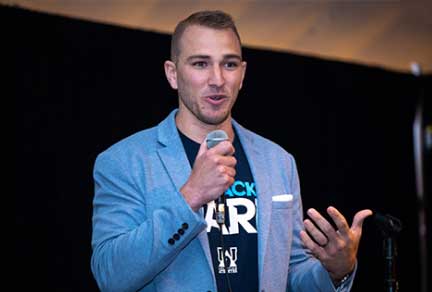
Hear Jenny Denney, Parexel's Global Head of FSP, share her insights on building agile outsourcing models and finding the right balance of flexibility, expertise, and partnership.
Outsourcing as a long-term investment
Biopharma companies are now approaching outsourcing as a long-term shared commitment rather than a series of short-term contracts. This shift reflects a broader understanding of total cost—not just bill rates or unit costs, but the cumulative impact of timelines, productivity, quality, and trial success.
An agile, interoperable FSO-FSP delivery unit further enhances this approach by combining oversight, quality, training, and governance with a flexible global resource pool. The ability to transition resources seamlessly between FSO and FSP constructs creates resilience and scalability, supported by continuous feedback loops that allow teams to pivot as data and circumstances evolve.
Shifting the focus from cost of hours to value of outcomes
Traditional outsourcing decisions often focus on rate cards and unit costs—an “apples-to-apples” comparison that can obscure larger inefficiencies. Bespoke models enable a more holistic approach, emphasizing the reduction of total effort rather than the cost of individual hours.
Through cross-functional strategic partnerships, sponsors and CROs can:
- Optimize clinical development plans to reduce burden on investigators and patients
- Increase productivity through technology enablement and process innovation
- Establish metrics that capture indirect drivers of success, including timelines, site efficiency, and adaptive study designs
This outcome-driven mindset represents a fundamental shift in how outsourcing value is defined.
Building for the future of clinical development
Bespoke outsourcing models are not simply a compromise between FSO and FSP—they are a strategic investment in adaptability, resilience, and innovation. By designing outsourcing frameworks that evolve with organizational needs, biopharma companies can better navigate uncertainty, capitalize on external expertise, and accelerate the delivery of transformative therapies to patients.
As the industry continues to evolve, the most successful sponsors will be those that view outsourcing not as a cost center, but as a collaborative, long-term partnership—one that grows in value as clinical development challenges and opportunities change.
Related Insights
Blog
Building a high performing global data hub in South Africa: Proven approaches from Parexel and Jazz Pharmaceuticals
Mar 12, 2026
Playbook
Strategic outsourcing redefined: Building partnerships that propel innovation
Dec 5, 2025
Blog
Regulatory outsourcing: Applying change management best practices for smoother transitions
Jul 24, 2025
Playbook
Fit-for-purpose outsourcing models: Adapting to a world of untapped innovation and emerging risks
Jun 20, 2025
Article
Future proofing your outsourcing strategy
Mar 18, 2025
Blog
Regulatory outsourcing: key considerations for success
Dec 5, 2024
Blog
Best practices and lessons learned in a challenging IBD study
Jul 19, 2023
Article
Maximize the efficiency of regulatory operations with five key competencies
Jul 23, 2021
Related Insights
Blog
Building a high performing global data hub in South Africa: Proven approaches from Parexel and Jazz Pharmaceuticals
Mar 12, 2026
Playbook
Strategic outsourcing redefined: Building partnerships that propel innovation
Dec 5, 2025
Blog
Regulatory outsourcing: Applying change management best practices for smoother transitions
Jul 24, 2025
Playbook
Fit-for-purpose outsourcing models: Adapting to a world of untapped innovation and emerging risks
Jun 20, 2025
Article
Future proofing your outsourcing strategy
Mar 18, 2025
Blog
Regulatory outsourcing: key considerations for success
Dec 5, 2024